Urban Transformation from the Margins: Local Action, Global Struggles, Shared Futures
📅 When: 25. September 2026, 9:00 - 18:00 Uhr
📍 Where: Berlin Global Village, Am Sudhaus 2, Berlin-Neukölln
See the whole conference program here!
REGISTER HERE – The conference is free and open to everyone, with lunch and childcare provided for attendees!
Sessions will be held in either German or English (with German translation) and German sign language translation.
In a 2024 study, the Friedrich-Ebert-Stiftung reports that only 13% of participants believe the Federal Government can address the issue of right-wing extremism in Germany. Compared to 52% who believe in civil society as the instution that will save our democracy. Given that 2026 is an election year, we're putting the strengths of civil society in focus and featuring voices from the margins, who throug their work, benefit us all.
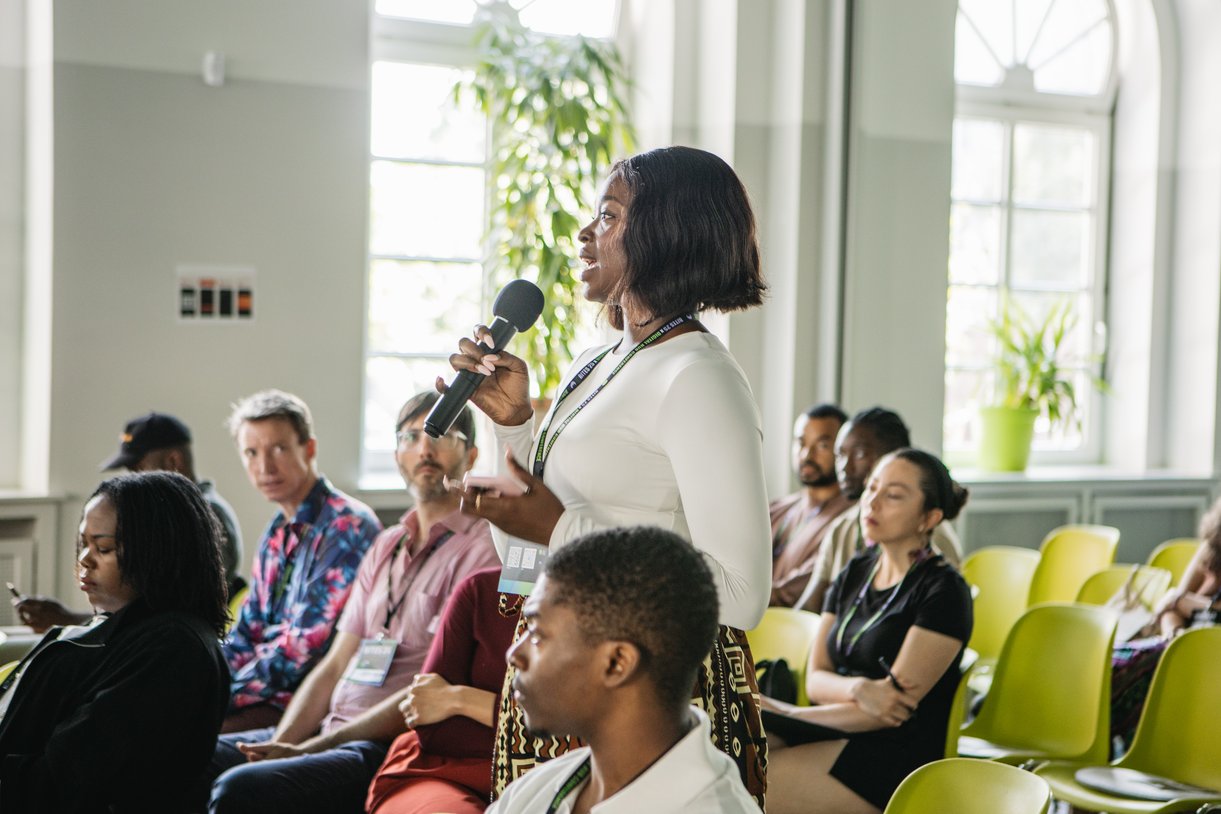
In cooperation with our shareholders, AfrikaRat Berlin-Brandenburg e.V., Berliner Entwicklungspolitischer Ratschlag e.V., und moveGLOBAL e.V., this one-day conference brings together organizers, activists, policymakers, educators, planners, and community actors to collectively explore how urban futures can be initiated and shaped through the perspectives of marginalized groups.
The conference deliberately goes beyond conventional urban development (institutionally driven planning) and shifts the focus to urban spacemaking as an ongoing social practice — shaped by lived experiences, negotiations of power, solidarity, and collective imagination.
Conference Content and Speakers
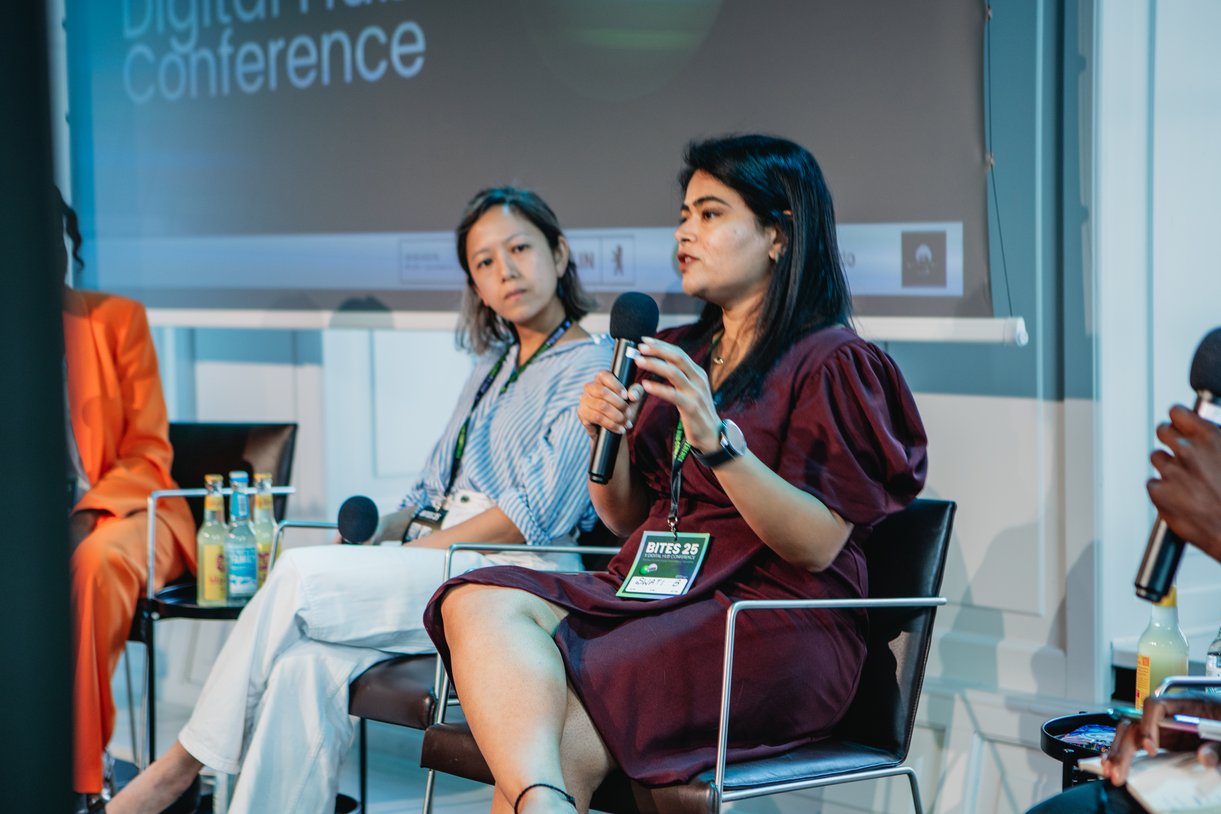
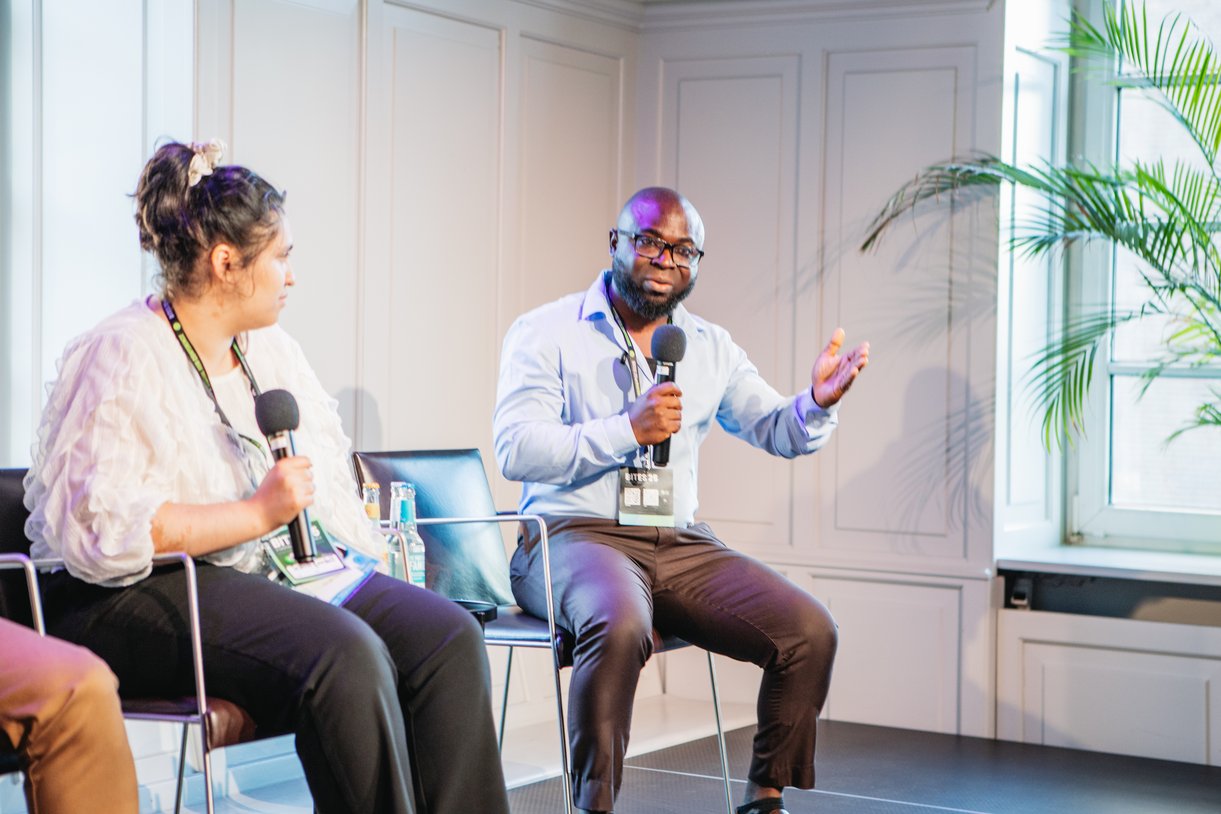
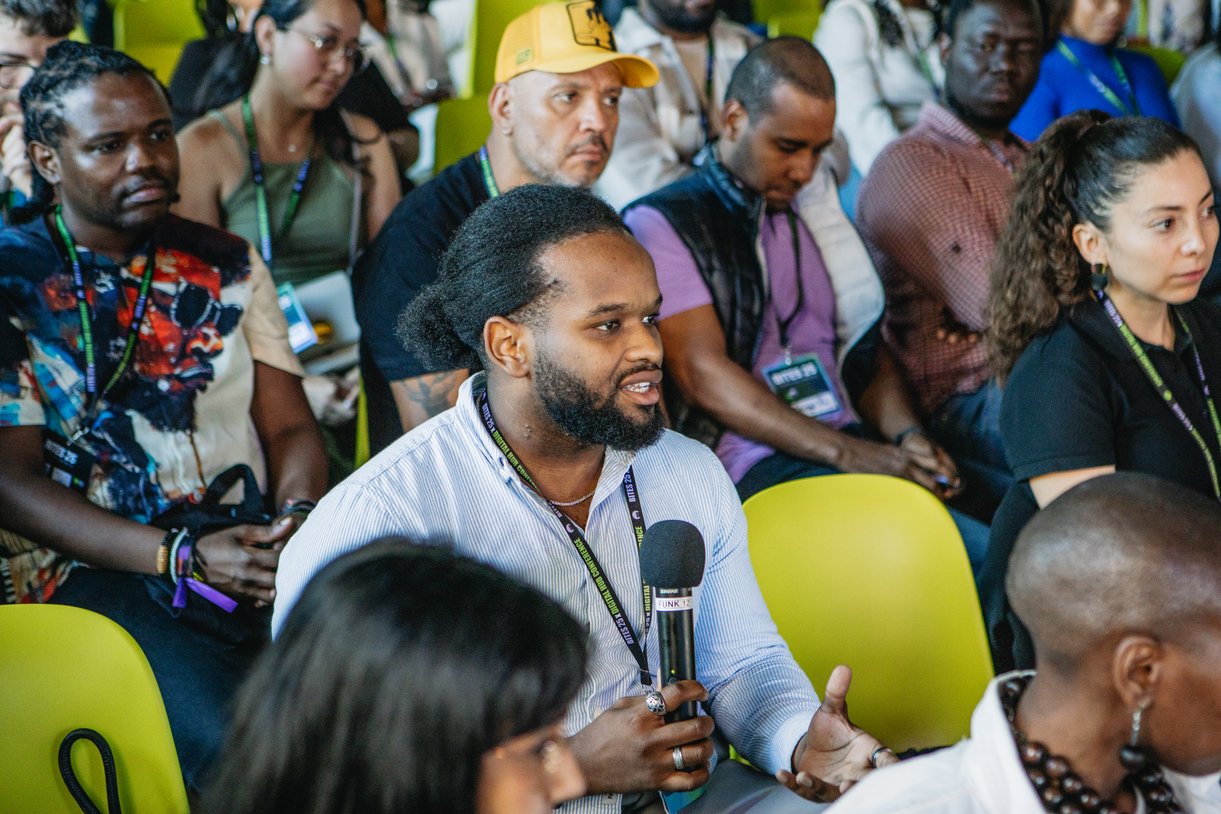
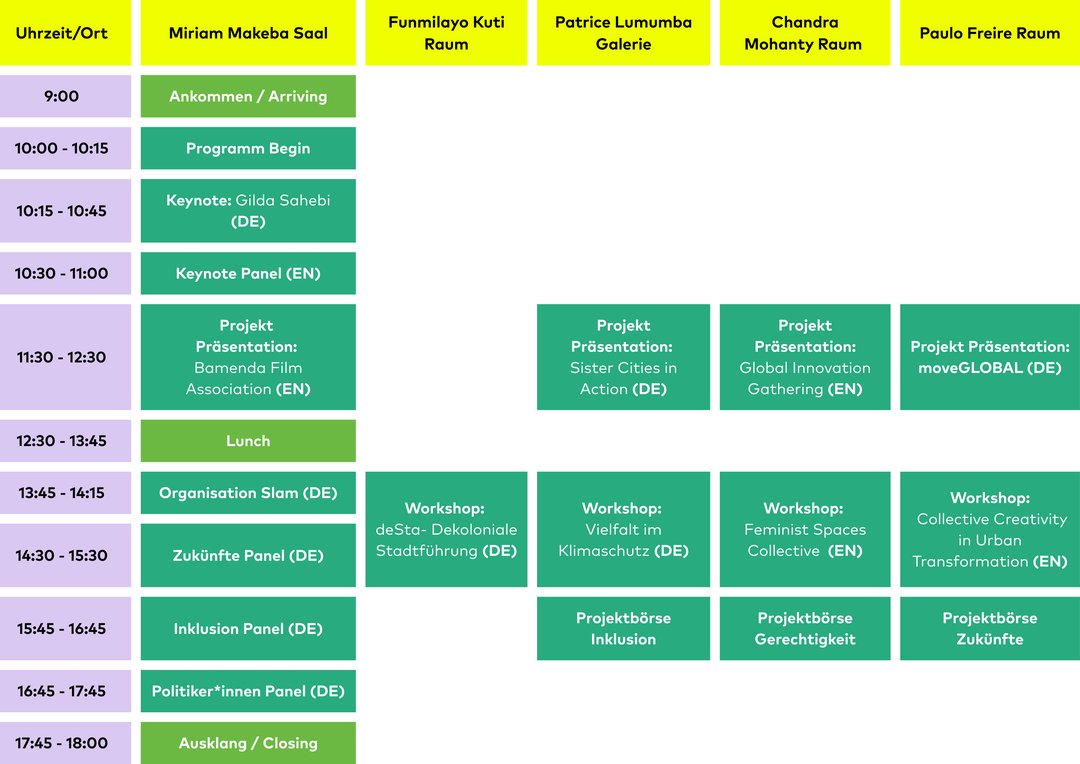
The conference will feature a mix of keynote speeches, project presentations, organizational introductions, project exchanges, workshops, fishbowl discussions, and panel discussions with three core thematic areas:
🗳 Inclusion – Democracy & Belonging
🌍 Justice – Decolonization & Accountability
🌱 Futures – Digitalization & Sustainability
Below is a detailed overview of the program components.
KEYNOTES
Keynote Speaker: Gilda Sahebi - Journalist and Bestselling Author, Verbinden statt Spalten
Keynote Panel: Rashid Owoyele (Moderation)(Transekt Agency), Tatiana Bazzichelli (Disruption Network Lab), and Jeff Kwasi Klein (imagineers lab)
PROJECT PRESENTATIONS: Real Practical Experience from the Global to the Local – Projects That Reach Beyond Berlin
Five short project presentations showcase concrete examples of what global urban development can entail. Speakers will openly share:
✨ what worked
✨ what failed
✨ what they learned along the way
Gain inspiration, practical methods that can be adapted to your context, and connect with others working on similar challenges.
Project Presentations: Bamenda Film School, Global Innovation Gathering, moveGLOBAL, Sister Cities in Action (from Berliner Entwicklungspolitischer Ratschlag)
ORGANIZATION SLAM: Deomcratic Imagination Meets Practical Innovation
Inspired by poetry and science slams, the Organization Slam is a fast-paced format in which initiatives, collectives, and institutions present their work on democratic participation through dynamic five-minute pitches.
The focus is on:
✨ bold visions
✨ innovative approaches to complex challenges
✨ fresh perspectives on urban transformation
Slam-Organizations: Initiative Berlin Polyphon, Organismendemokratie, Bürokratiemonster, POLI SOCIAL, and Hallo Bundestag!
PROJECT MARKETPLACES: From Conversation to Collaboration
The project marketplaces provide a space to move from discussion to action, ensuring that you leave the conference not only inspired, but already engaged. During informal networking sessions, you can:
✨ expand your network of collaborators and allies
✨ find implementation partners for ongoing projects
✨ develop new funding ideas and cooperation opportunities
✨ connect with and join existing initiatives
Hosted by: Sarah Kohrt - Hirschfeld-Eddy-Stiftung, Anett Szabo - Stiftung Zukunft Berlin, Mohammad Jouni - Jugendliche ohne Grenzen
WORKSHOPS: Deepening Practice through Skills, Tools, and Co-Creation
Workshops provide structured spaces to move beyond inspiration and build concrete capacities for participatory transformation. Workshops are:
✨ spaces for learning new skills
✨ collaborative laboratories
✨ safe environments for experimentation
✨ opportunities to turn ideas into actionable next steps
Workshops by: deSta- Dekoloniale Stadtführung, Yeşil Çember, Feminist Spaces Collective, Prajna Kumaraswamy
FISHBOWL PANELS: Open Dialogues.
Rather than relying on fixed panels, participants are invited to enter and leave the discussion circle, contributing perspectives and lived experience.
Panel: Between Power and Possibility: Perspectives on Multiple Futures.
Anab Awale (Moderation)(der DGB KV Mitte), Noa Ha (Deutschen Zentrum für Integrations- und Migrationsforschung), Kim Trau (Jugendnetzwerk Lamda e.V.), Van Bo Le Mentzel (Gemeinwohlbau / Tiny House Foundation)
Panel: How and for whom? Building Spaces We All Belong In.
Emiko Gejic (Moderation)(Urbane Praxis e.V.), Estera Stan (Romani Phen), Luise Bruche (Sozialhelden e.V.) and Joshua Kantara (Kantara Films & Documentaries)
POLITICIANS PANEL: From Vision to Governance: Political Pathways for Inclusive Futures
This high-level panel brings together state-level policymakers from different political parties to engage directly with the questions, demands, and ideas emerging throughout the conference.
Against a backdrop of election campaigns, coalition-building, and multiple overlapping crises, the discussion will explore how participatory and globally just approaches to urban transformation can be translated into public policy, funding structures, and institutional change.
with: Mathias Schulz (SPD), Philmon Ghirmai (Bündnis 90/Die Grünen)
All Day | Open Film Installation: From the Margins
How could we perceive urban transformation when we turn our attention to those whose experiences and perspectives often remain largely invisible in public spaces?
The film installation by Mpower e.V. brings together experimental short films created as part of participatory film projects with girls* and young women*. Mpower works from an intersectional feminist perspective with participants who bring diverse lived experiences, including those shaped by migration, displacement, or experiences of racism.
Through image, language, and sound, the films offer poetic approaches to questions of belonging, identity, memory, and participation in society.
Amid workshops and discussions, the installation invites visitors to pause and engage with the conference’s themes on a sensory level. It views film not as an illustration of the debates, but as an independent form of reflection on the city, community, and shared futures.